A guide to the town
Map of Porthaven
Drawn for readers of the Morning Men Mystery Series and The Bakery on Fore Street
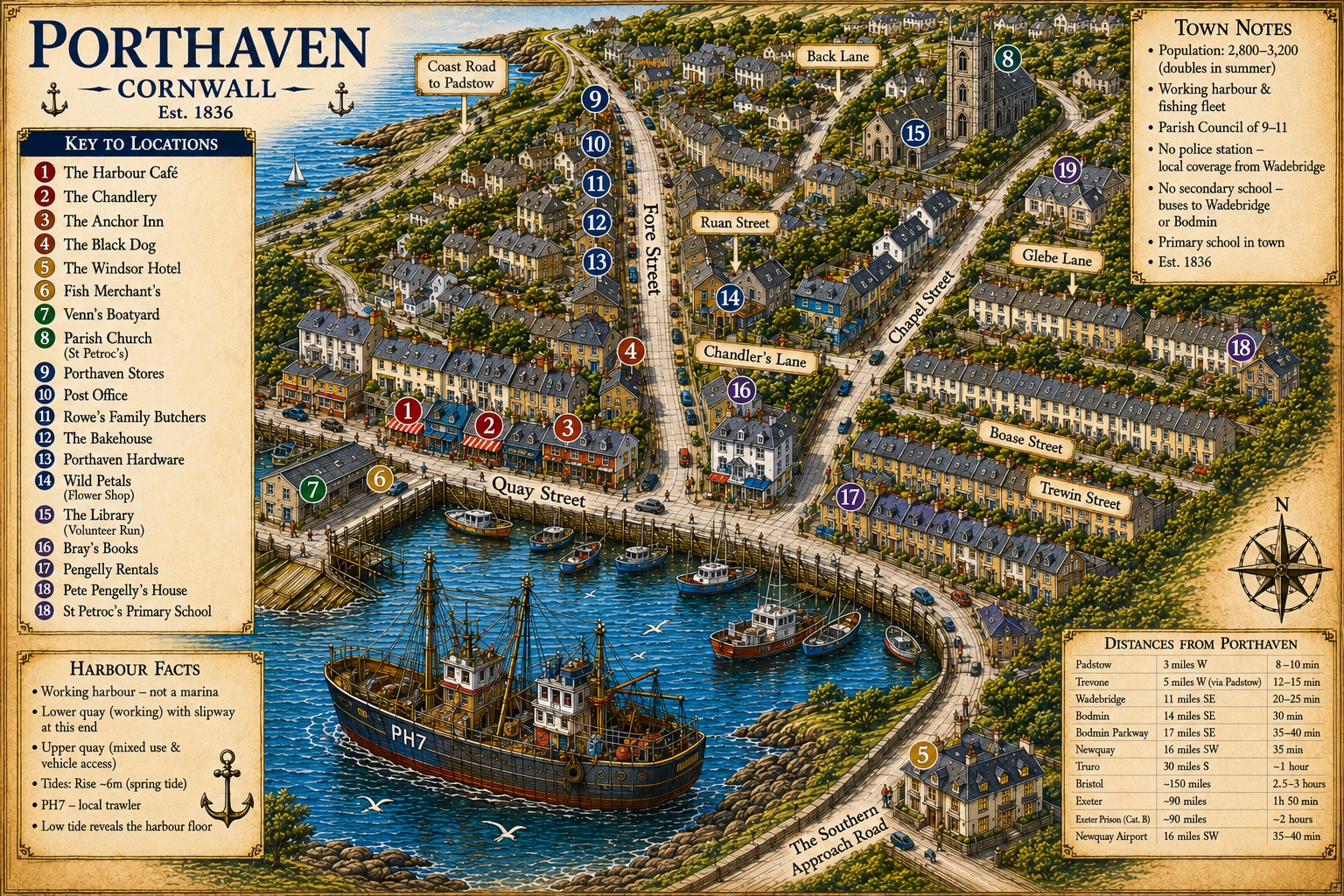
A small working harbour town, three miles east of Padstow
From the upper quay you can see the whole town in one glance.
The harbour is at the bottom of a shallow bowl opening westward to the sea. The land rises behind it — gently at first, then more steeply — up past the church spire and on to where the better houses are. The boats go out at four in the morning and come back at noon, low in the water. The lobster pots are stacked by the lifeboat station. The lamp at the end of the breakwater. The lamp at the top of the slipway. A herring gull, asleep on a post with its head tucked, dreaming whatever a herring gull dreams.
Porthaven has a population of around three thousand, which doubles in summer and halves again by October, when the holiday lets go dark and the town becomes itself again. There are two pubs. One bakery. A chandlery and a fish merchant's and a flower shop on Chandler's Lane and a bookshop that has been there fifteen years and feels as though it has been there always. There is a Harbour Café on the front with a window table that looks out over the water, and three retired men who have sat at that table every morning for four years, and who have come to understand — in the way you understand things you were not told — that the town they are watching is keeping more than its share of secrets.
Porthaven is a fictional town. It sits, in the imagination, roughly where Padstow sits on the north Cornish coast, with its own geography and its own cast of people. The harbour is working, not decorative. The streets are named. The distances are fixed. The town does not change to accommodate the plot.
Drawn for readers of the Morning Men Mystery Series and The Bakery on Fore Street
These are the recurring locations in the Morning Men series. Not all of them are safe.
On the harbourfront. Margaret Trescothick has been running it for fifteen years. The window table is the Morning Men's, in the way things become yours in a small town without anyone deciding it.
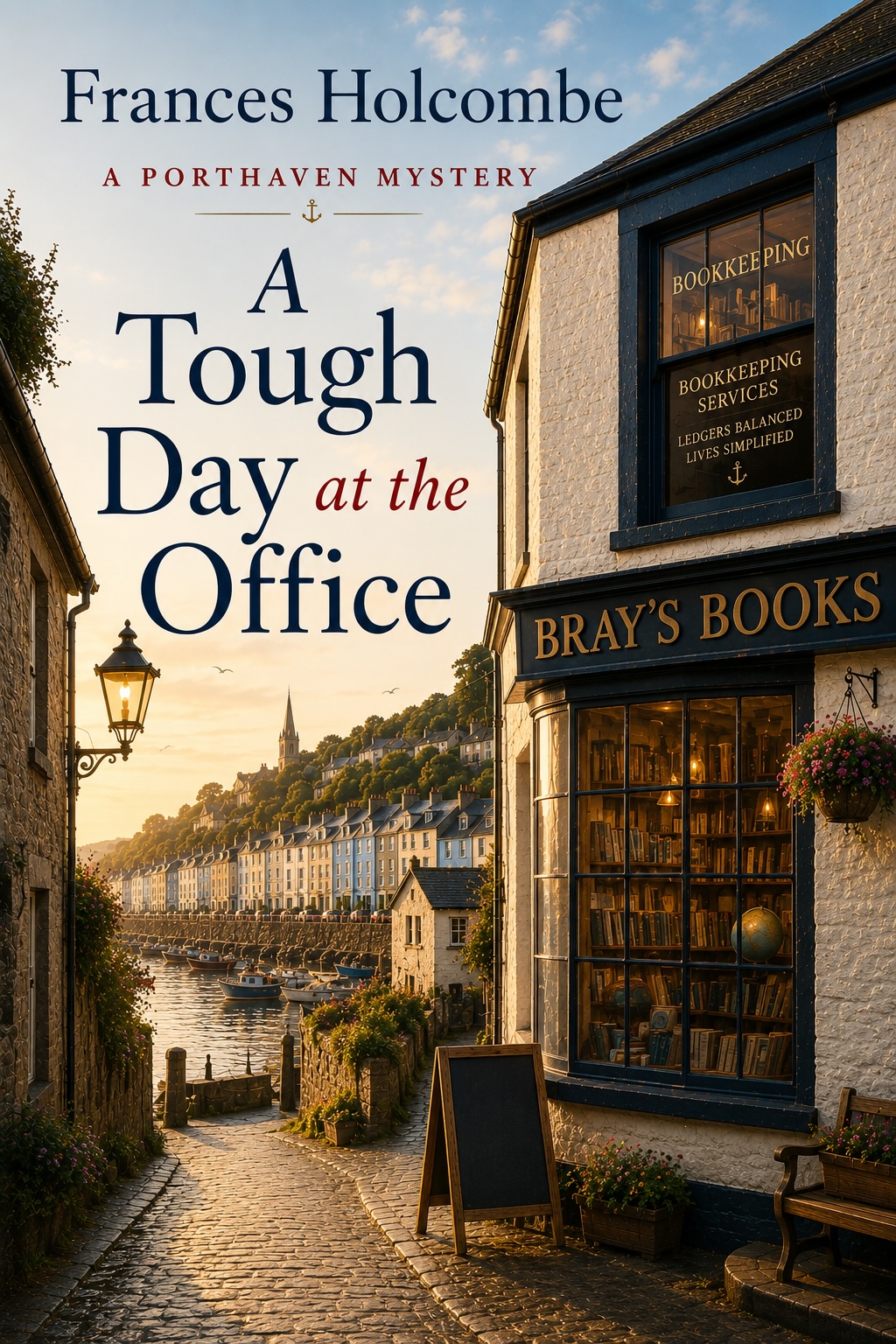
Down Chandler's Lane, off Fore Street. Edward Bray has been there fifteen years. The sign above the door is hand-painted. The window display changes with the seasons. It opens at eight, except when it opens earlier.
On Quay Street, close to the harbour. Where the working fishermen drink. Where difficult conversations happen when there is nowhere else to have them.
On Fore Street, near the harbour end. More mixed trade than the Anchor. The kind of pub where someone who doesn't want to be seen in the Anchor can usually be found instead.
On Fore Street. Where the morning starts, before the café opens. Pete buys his bread here on Thursdays. The woman behind the counter knows what he takes without his asking.
Not a marina. A working harbour with a lower quay and a slipway and mooring lines and the smell of rope and engine oil. The tide rises six metres in spring. At low tide the harbour floor shows. Things are sometimes found there.
The thing about Porthaven — the thing the Morning Men have come to understand, each in his own way — is that a town of three thousand people is not a simple place. It is a place with a long memory and a preference for managing its own affairs, and a particular talent for deciding, as a body and without discussion, what it wants to believe.
The boats go out. The café opens. Three men sit at the window table and watch the harbour. The town watches back.
The Morning Men Mystery Series is set here. So is The Bakery on Fore Street.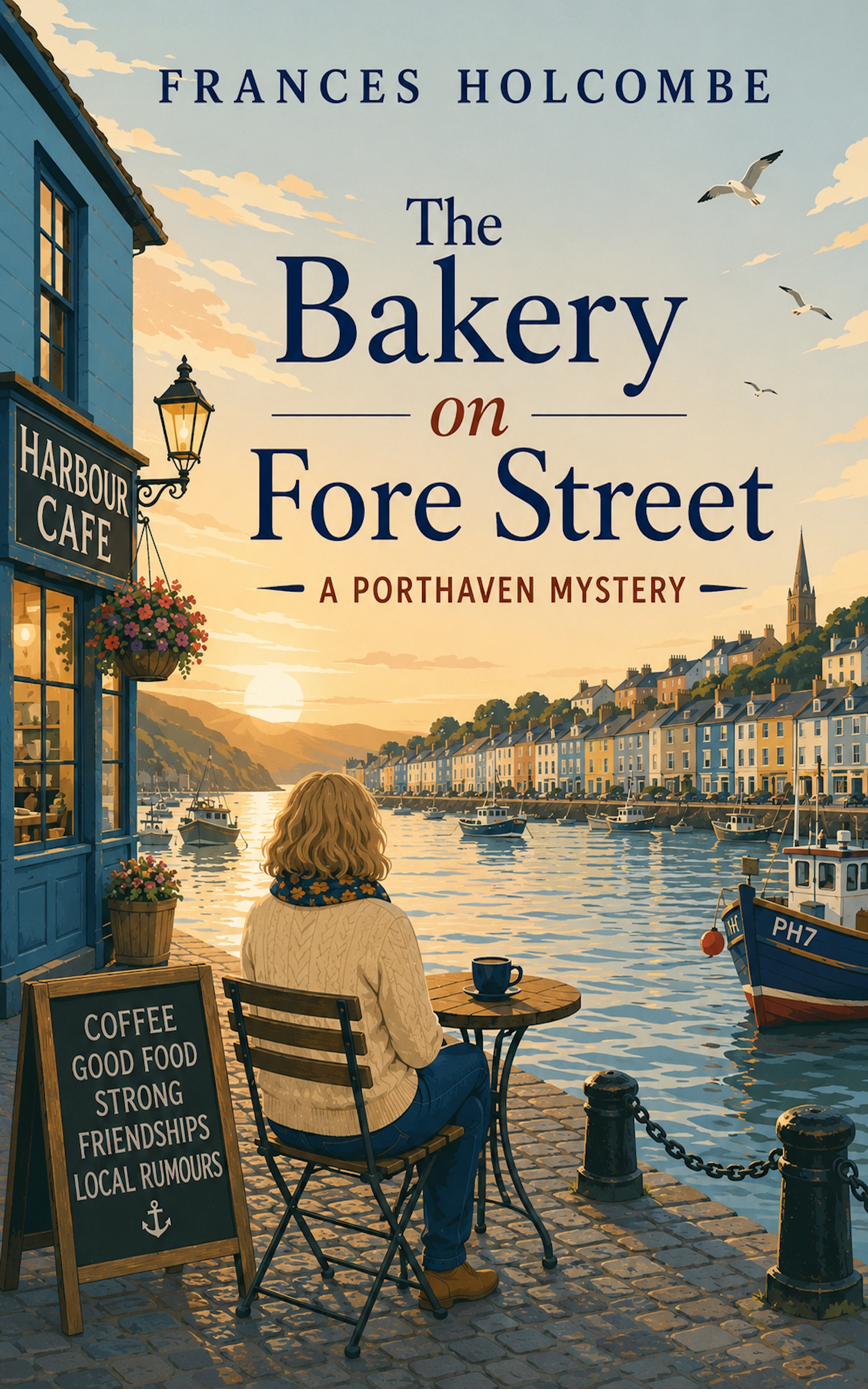
Sign up for Letters from Porthaven and receive a free standalone Porthaven novella by email.
No spam. Roughly one letter a month. Unsubscribe whenever you like.